Maximize Your Cost Savings: A Comprehensive Guide to Solar Panel Implementation for Homeowners
An increasing number of homeowners view solar panel installation as a method to increase savings and decrease energy costs. Understanding the technology and analyzing individual energy needs is crucial. Financial incentives can moreover reduce installation fees. However, many keep uncertain about the process and potential benefits. This guide intends to clarify the important aspects of solar panel installation, supporting homeowners reach informed decisions while exploring the genuine value of this investment.
Grasping Solar Panel Technology: How It Functions
Even though numerous people are knowledgeable about solar panels, only a few entirely understand the technology that powers them. Solar panels function based on the principles of photovoltaic (PV) technology, which converts sunlight directly into electricity. Each panel consists of several solar cells made primarily from silicon, a semiconductor that produces an electric current when exposed to light.
As photons from sunlight hit the solar cells, they excite electrons, permitting them to flow without restriction. This flow produces direct current (DC) electricity. An inverter then converts this DC electricity into explanation alternating current (AC), which is the conventional form of electricity utilized in homes.
Moreover, solar panels are typically equipped with a layer of protective glass and a backing material to boost durability and efficiency. As a whole, these components work to harness solar energy, making solar panels a eco-friendly and renewable energy source. Understanding this technology is essential for homeowners exploring solar energy solutions.
Evaluating Your Property's Energy Needs Before Installation
Before committing to solar panel installation, homeowners need to assess their energy consumption to assure the system will be both effective and efficient. This evaluation commences with analyzing past energy bills to determine average monthly consumption. Homeowners should recognize seasonal variations in energy use, as these can impact solar system sizing. Moreover, considering the types of appliances and systems in the home—such as heating, cooling, and lighting—will offer a clearer picture of energy demand.
Next, it is beneficial to evaluate potential for energy efficiency improvements ahead of installation. Simple measures, including upgrading insulation or using LED lighting, can decrease overall energy consumption, enabling a smaller solar system. Lastly, homeowners should contemplate future changes that may influence energy needs, such as adding electric vehicles or expanding living space. Understanding these considerations will help ensure that the solar panel system meets current and future energy needs effectively.
Grasping Solar Economic Incentives
When homeowners consider solar panel installation, understanding the financial incentives available can significantly impact their decision-making process. Many federal and state programs offer significant savings opportunities. The Federal Investment Tax Credit (ITC) permits homeowners to deduct a considerable percentage of the installation costs from their federal taxes, considerably reducing upfront expenses. Many states also offer rebates and grants intended for promoting solar energy adoption, further lowering financial barriers. Furthermore, some local utilities deliver performance-based incentives or net metering programs, allowing homeowners to receive credits for surplus energy generated by their solar panels. Financing options, such as solar loans and leases, can also help handle costs while maximizing savings over time. By thoroughly researching these financial incentives, homeowners can make well-informed choices that not only enhance their energy efficiency but also offer substantial long-term financial benefits. Understanding these incentives is crucial for homeowners looking to maximize their savings through solar energy.
How to Select the Best Solar Panel System for Your Home
Selecting the right solar panel system for a residence requires a careful assessment of energy requirements and an understanding of the diverse system types available. Homeowners should assess their electricity consumption patterns to determine the appropriate capacity. Moreover, comparing the characteristics and efficiencies of various solar panel systems can aid in making an informed decision.
Determine Your Energy Consumption
How do homeowners correctly determine their energy requirements when planning solar panel installation? To commence, they should look at previous electricity bills to calculate average monthly consumption, typically measured in kilowatt-hours (kWh). This historical data uncovers peak usage times and seasonal variations. Homeowners can also perform a home energy audit to identify energy-efficient upgrades that may lower overall consumption. Moreover, they should consider future changes, such as new appliances or family size, which could affect energy requirements. By calculating the total daily kWh requirement, homeowners can define the size of the solar panel system needed to meet their energy demands adequately. Understanding these factors is critical for making informed decisions regarding solar panel installation and improving energy savings.
Analyze System Options
Which solar panel system configuration will most effectively address a homeowner's unique needs? Homeowners commonly face three core options: monocrystalline solar panels, polycrystalline solar panels, and thin-film varieties. Monocrystalline panels are recognized for their superior efficiency and compact design, rendering them suitable for properties with constrained rooftop space. Polycrystalline panels are generally more affordable and suitable for larger areas, however they feature slightly decreased efficiency. Thin-film solar panels, though less common, are lightweight and flexible, making them a good choice for unconventional installations. When assessing these varieties, homeowners should consider factors such as power needs, financial budget, rooftop space availability, and local weather conditions. Ultimately, determining the ideal system type rests on a comprehensive analysis of these specific parameters.
What You Should Expect During Your Solar Panel Installation
Throughout the solar panel installation process, homeowners can look forward to a detailed pre-installation assessment to identify the ideal system for their property. On installation day, particular expectations regarding the timeline and procedures will shape their experience. Understanding these critical phases can help guarantee a smooth shift to solar energy.
Pre-Installation Assessment Process
Before the installation process actually starts, homeowners can expect a comprehensive pre-installation assessment process that helps ensure the solar panel system is adapted to their specific needs. This assessment typically involves a site visit by a professional who examines the roof's condition, orientation, and shading from nearby structures or trees. They will also review the home's energy consumption patterns to determine the optimal system size. Additionally, local regulations and incentives will be reviewed to maintain compliance and maximize savings. Homeowners may be asked about their choices and expectations, facilitating a customized solar solution. This thorough preparation establishes the foundation for a successful installation and confirms the system operates efficiently, ultimately leading to improved energy savings and satisfaction.
Installation Day: What to Anticipate
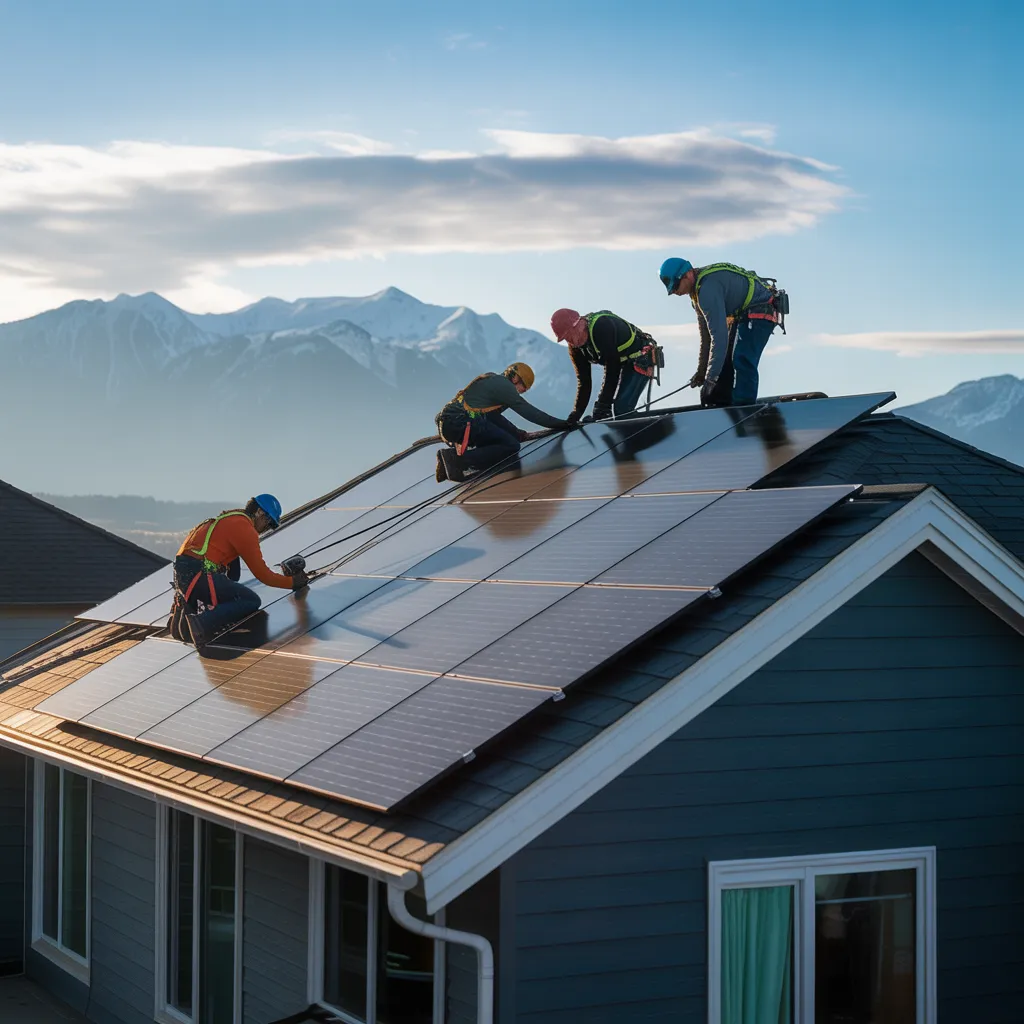
When installation day arrives, homeowners can expect a carefully coordinated process as expert installers arrive to put in place the solar panel system. Typically, a team of trained technicians will manage the installation, ensuring efficiency and safety. Homeowners should anticipate a brief overview of the day's schedule, including an estimated timeline for completion.
Our technicians will initially inspect the roof and ready all essential equipment before installing the mounting brackets. When the brackets are firmly in place, the solar panels will be installed. During the entire procedure, our technicians will maintain communication with homeowners, addressing inquiries and offering status updates. Finally, after installation, a thorough inspection will be conducted, and the system will be connected to the electrical grid, ensuring everything operates seamlessly.
Maintenance Tips to Maximize Your Solar Investment
Regular maintenance is crucial for optimizing the return on a solar system investment. Homeowners should regularly inspect their solar panels for dirt, debris, or any obstructions that may block sunlight. Clean panels enhances efficiency, and a simple cleaning with water can suffice in most cases. Moreover, monitoring the system's performance through the inverter display or a monitoring app verifies that any issues are promptly identified.
Routine professional inspections, preferably once per year, are suggested to examine the complete status of the system and its components. This includes looking for any symptoms of wear and tear, such as damaged wiring or defective connections.
Furthermore, homeowners should be aware of surrounding vegetation; cutting trees or shrubs that cast shadows on the panels can substantially increase energy production. By implementing these maintenance tips, homeowners can make certain their solar systems run at peak efficiency, ultimately enhancing their investment.
5 Major False Beliefs About Solar Panels You Should Understand
What typical false beliefs regarding solar panels may misguide interested buyers? Many individuals believe that solar panels are only effective in sunny climates, however they can generate energy even on cloudy days. Another misconception is that solar systems are prohibitively expensive; prices have significantly decreased, making them more accessible. Some people assume that installation is complicated and requires extensive renovations, but modern systems can often be installed with minimal disruption. Additionally, there is a belief that solar panels are not durable and require frequent replacements; though, most panels come with warranties of 25 years or more. Finally, many homeowners think that solar energy cannot power their entire home, when in fact, properly sized systems can meet most energy needs. Correcting these false beliefs is crucial for potential buyers considering solar energy as a practical and advantageous option for their homes.
Frequently Asked Questions
What Is the Typical Duration of the Solar Panel Installation Process?
Installing solar panels usually takes anywhere from one to three days, contingent upon the system size and complexity. More time may be necessary for obtaining permits and completing inspections, which can change depending on your location and applicable regulations.
Am I Able to Install Solar Panels on My Own to Save Money?
Homeowners may choose to self-install solar panels for cost savings; yet, they need to evaluate local rules, safety protocols, and technical proficiency. Expert installation typically ensures optimal efficiency and adherence to required standards, possibly offsetting upfront cost reductions.
What Occurs When My Solar Panels Produce Less Energy Than Predicted?
If solar panels generate less energy than anticipated, homeowners could face increased utility bills and decreased savings. They should assess system performance, inspect for issues, and consult specialists to maximize energy production and address concerns.
Do Solar Panels Boost My Property Taxes?
Solar panels can raise property taxes, however this changes based on location. Various localities offer tax relief or advantages, possibly neutralizing tax increases. Property owners must consult local tax regulations to understand the precise impact on their property taxes.
What Financing Options Work Best for Solar Panel Installation?
The ideal financing options for solar panel installation include solar loans, leases, power purchase agreements (PPAs), and government incentives. Each choice delivers unique advantages, allowing homeowners to pick what best suits their financial situation and energy goals.